DMBS-01 Fundamentals of Digital Marketing & E-Business
On This Page
Digital Marketing
- Digital Marketing refers to the promotion of products, services, or brands using digital technologies such as the internet, mobile devices, search engines, social media, and email.
- It is also known as online marketing because it uses internet-based platforms to reach customers.
Evolution of Digital Marketing
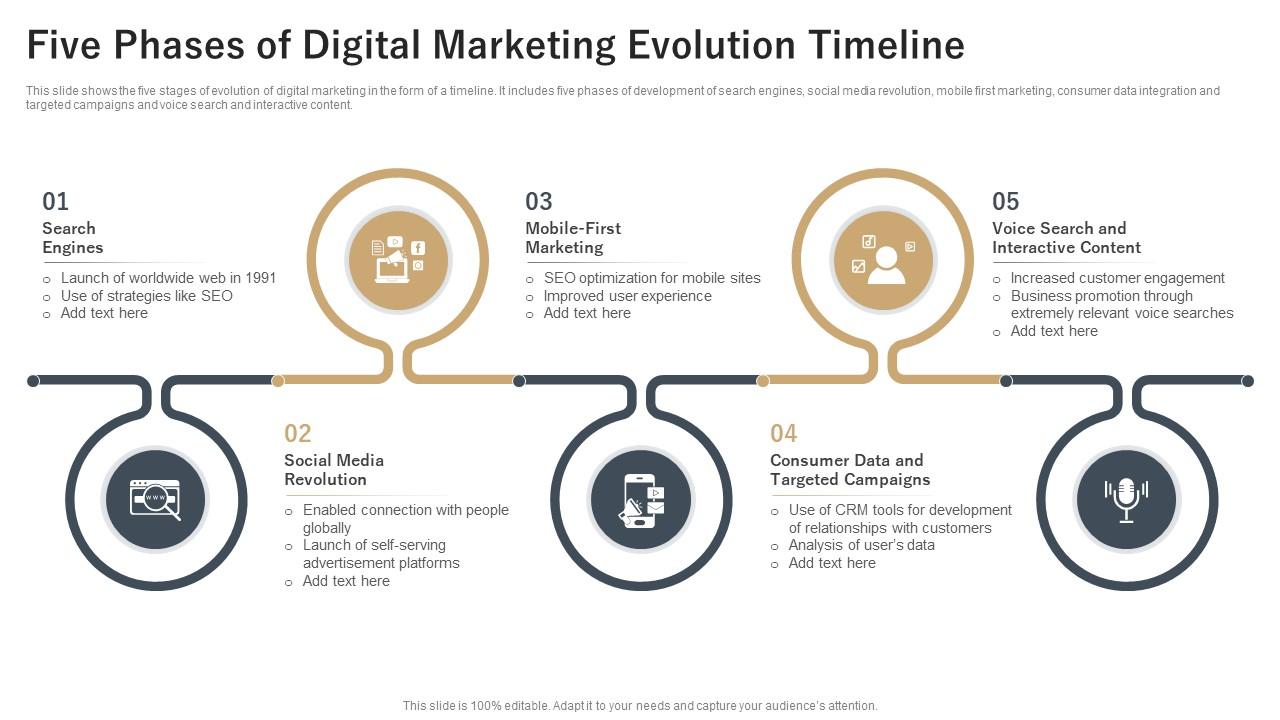
1. Traditional Marketing Era
- Earlier, marketing was done through newspapers, radio, television, banners, and hoardings.
- Communication was one-way and businesses could not measure exact results.
- It was expensive and limited to specific geographical areas.
2. Internet and Website Era (1990s)
- With the introduction of the internet, businesses started creating websites.
- Email marketing began as a new way to promote products.
- Communication became faster but interaction was still limited.
3. Search Engine Era (2000s)
- Customers started searching online before buying products.
- Businesses focused on appearing in search results using SEO and paid advertisements.
- Online visibility became important for brand success.
4. Social Media and Smartphone Era
- Platforms like Facebook, Instagram, and YouTube changed marketing strategies.
- Marketing became interactive and two-way communication started.
- Customers could like, comment, share, and review products.
5. Data-Driven and AI Era (Present)
- Digital marketing now uses data analytics and artificial intelligence.
- Businesses show personalized ads based on customer behavior.
- Marketing decisions are based on real-time data and analytics.
Scope of Digital Marketing in Modern Business
1. Business Growth
- Digital marketing helps businesses reach global customers.
- It supports brand building and online presence.
- Even small businesses can compete with large companies.
2. Cost-Effective Promotion
- Digital marketing requires lower investment compared to traditional marketing.
- Businesses can run ads according to their budget.
3. Career Opportunities
- Creates jobs such as SEO specialist, social media manager, content creator, and digital analyst.
- Demand for digital marketing professionals is increasing.
4. Measurable Results
- Businesses can track performance using analytics tools.
- Helps improve marketing strategies based on data.
5. Future Scope
- Increasing internet users and smartphone usage ensure long-term growth.
- Digital transformation of businesses makes digital marketing essential.
Compare Traditional Marketing and Digital Marketing
Cost
- Traditional marketing is expensive as it involves printing, TV ads, radio, and physical promotions.
- Digital marketing is cost-effective and allows businesses to control budget easily.
Reach
- Traditional marketing has limited reach and targets a specific geographical area.
- Digital marketing has global reach through internet and online platforms.
Targeting
- Traditional marketing targets a broad audience without specific segmentation.
- Digital marketing allows precise targeting based on age, location, interests, and behavior.
Interaction
- Traditional marketing provides one-way communication where customers cannot respond immediately.
- Digital marketing enables two-way communication through comments, messages, and feedback.
Measurement
- Traditional marketing makes it difficult to measure exact results and performance.
- Digital marketing provides measurable results such as clicks, views, and conversions.
Flexibility
- Changes in traditional marketing campaigns are difficult once they are launched.
- Digital marketing campaigns can be modified or stopped anytime easily.
Speed
- Traditional marketing takes more time to plan and execute campaigns.
- Digital marketing allows quick launch and instant results.
| Basis of Comparison | Traditional Marketing | Digital Marketing |
|---|---|---|
| Meaning | Promotion through offline channels like newspaper, TV, radio, banners, and hoardings. | Promotion through online platforms like search engines, social media, websites, and email. |
| Mode of Communication | One-way communication where customers cannot respond immediately. | Two-way communication where customers can interact instantly. |
| Cost | Generally expensive due to printing and broadcasting costs. | Cost-effective and suitable for small and large businesses. |
| Reach | Limited to a specific geographical area. | Global reach with internet access. |
| Targeting | Targets general audience. | Targets specific audience based on age, location, interests, and behavior. |
| Measurability | Difficult to measure exact results. | Easy to track using analytics tools like clicks, views, and conversions. |
| Flexibility | Changes cannot be made easily once published. | Campaigns can be modified or stopped anytime. |
| Example | Restaurant advertising in newspaper and local TV. | Restaurant promoting through Instagram ads and Google Ads. |
Core Concepts of E-Business
- E-Business refers to conducting all business activities using internet and digital technologies.
- It includes marketing, sales, customer service, supply chain management, and electronic payments.
- It covers the complete business process, not only buying and selling.
1. Online Presence
- Businesses must have a website or mobile application to interact with customers.
- An online presence helps companies showcase products and services globally.
- It builds brand visibility and customer trust.
2. Digital Transactions
- Orders, bookings, and service requests are handled electronically.
- Business operations such as inventory management and order processing are automated.
- This improves efficiency and reduces manual work.
3. Electronic Payments
- Payments are made using digital methods such as UPI, debit/credit cards, net banking, and digital wallets.
- Online payment systems make transactions fast, secure, and convenient.
4. Customer Relationship Management (CRM)
- Businesses maintain customer data digitally.
- Online support through chat, email, and helpdesks improves customer satisfaction.
- Personalized communication strengthens long-term relationships.
5. Supply Chain Integration
- Suppliers, distributors, and retailers are connected through digital systems.
- It improves coordination and reduces operational costs.
Importance of E-Business in Today’s Economy
1. Global Market Access
- Businesses can reach customers worldwide without physical presence.
- It removes geographical limitations.
2. Cost Reduction
- Reduces operational costs such as rent, printing, and manual labor.
- Automation increases efficiency.
3. Faster Business Operations
- Transactions and communication happen instantly.
- Decision-making becomes quicker with digital data.
4. Increased Employment Opportunities
- Creates jobs in IT, digital marketing, logistics, and customer support.
- Encourages entrepreneurship and startups.
5. Support for Digital Economy
- Promotes cashless transactions.
- Encourages digital transformation of businesses.
- Contributes to economic growth and innovation.
Types of E-Business Models
- An E-Business model explains how business transactions take place using internet and digital platforms.
- It defines who is selling, who is buying, and how value is exchanged online.
1. B2B (Business to Business)
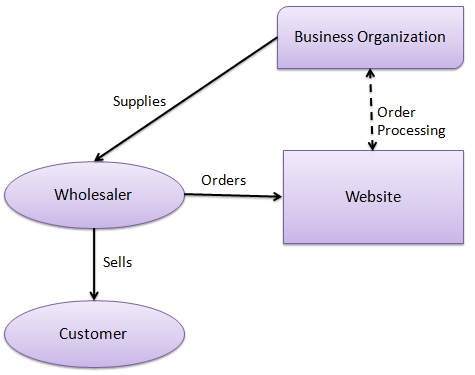
- In B2B model, one business sells products or services to another business.
- Transactions are usually large in volume and long-term.
- Decisions are based on logic, price, quality, and reliability.
- It involves suppliers, manufacturers, wholesalers, and service providers.
- Example: A software company providing management software to a bank or a manufacturer supplying raw materials to a factory.
2. B2C (Business to Consumer)
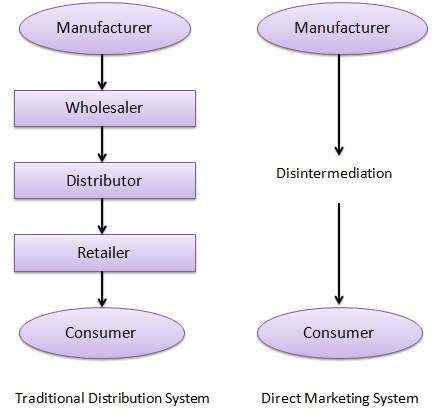
- In B2C model, businesses sell products or services directly to individual customers.
- Transactions are smaller and more frequent.
- Decisions are influenced by price, brand image, reviews, and offers.
- It focuses on customer satisfaction and marketing strategies.
- Example: Online shopping websites selling clothes, electronics, or food delivery apps serving customers.
3. C2C (Consumer to Consumer)
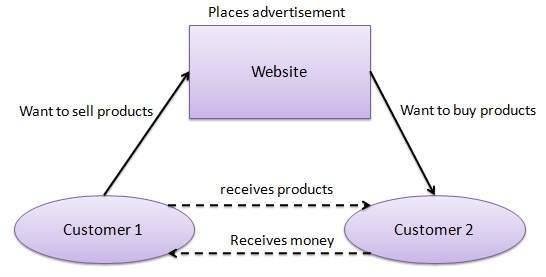
- In C2C model, consumers sell products or services to other consumers.
- Online platforms act as intermediaries to facilitate transactions.
- It allows individuals to earn by selling unused or second-hand products.
- Example: Selling a used mobile phone or furniture through an online marketplace.
4. C2B (Consumer to Business)
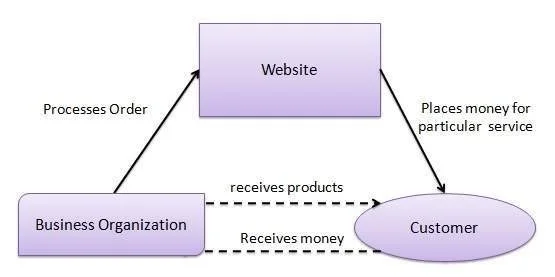
- In C2B model, individuals provide value to businesses.
- Businesses pay consumers for their services, skills, or influence.
- It is common in freelancing and influencer marketing.
- Example: A freelancer designing a website for a company or a social media influencer promoting a brand.
How Online Business Models Generate Revenue
1. Direct Online Sales
- Businesses earn revenue by selling products or services directly to customers through websites or mobile applications.
- Example: Online shopping platforms selling clothes, electronics, or groceries.
2. Subscription Model
- Customers pay a fixed monthly or yearly fee to access services or content.
- Example: Streaming services, online learning platforms, or premium software services.
3. Advertising Revenue
- Businesses earn money by displaying advertisements on their websites, apps, or social media platforms.
- Revenue is generated based on clicks, views, or impressions.
- Example: Websites and YouTube channels earning through ads.
4. Commission-Based Model
- Online platforms earn commission on each transaction made between buyers and sellers.
- Example: Online marketplaces charging a percentage on every sale.
5. Freemium Model
- Basic services are provided free of cost, while advanced features are offered for a fee.
- Example: Mobile apps offering free usage with paid premium features.
6. Affiliate Marketing
- Businesses earn commission by promoting other companies’ products through links.
- Revenue is generated when customers purchase through referral links.
7. Data and Digital Services
- Companies generate revenue by providing digital solutions, consulting, or data analytics services.
- Example: Software companies offering business management tools.
Digital Customer Behavior
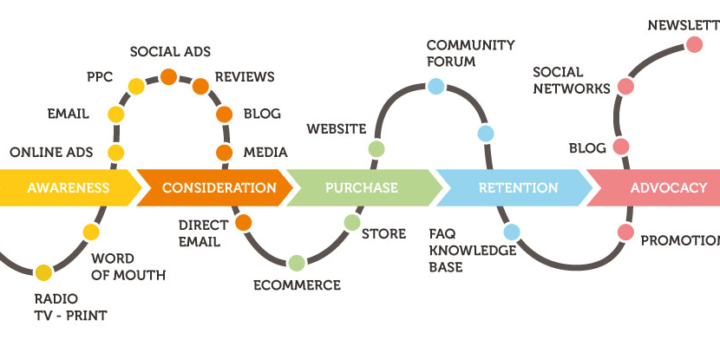
- Digital customer behavior refers to how customers search, evaluate, purchase, and review products or services using digital platforms.
- It includes the actions customers take online before, during, and after making a purchase.
- It is influenced by internet usage, social media, online reviews, and digital advertisements.
1. Awareness: The customer becomes aware of a product through search engines, social media, or online advertisements.
2. Interest: The customer shows interest and starts collecting information about the product.
3. Comparison: The customer compares price, features, reviews, and ratings on different websites.
4. Purchase: The customer makes the final buying decision and completes the online transaction.
5. Post-Purchase Behavior: The customer gives feedback, ratings, or reviews. Positive or negative reviews influence other buyers.
Factors Influencing Digital Customer Behavior
- Online reviews and ratings.
- Social media influence and influencers.
- Price comparison and discounts.
- Brand reputation and trust.
- Website design and user experience.
Impact on Online Business Decisions
1. Marketing Strategies
- Businesses design digital marketing campaigns based on customer search patterns and preferences.
2. Personalized Advertising
- Companies use customer data to show personalized ads and product recommendations.
3. Pricing Decisions
- Businesses adjust prices based on competitor comparison and customer demand.
4. Product Development
- Customer feedback helps improve products and services.
5. Customer Engagement
- Businesses focus on interactive communication to build strong relationships.
Advantages of E-Business
1. Global Reach
- E-business allows companies to reach customers across the world without physical presence.
- Businesses can expand their market beyond geographical boundaries.
2. Cost Reduction
- Operational costs such as rent, printing, and manual labor are reduced.
- Automation and digital processes increase efficiency and reduce expenses.
3. 24/7 Availability
- Online businesses operate continuously without time restrictions.
- Customers can access products and services anytime.
4. Faster Transactions
- Digital systems enable quick ordering, payment, and delivery processes.
- Saves time for both businesses and customers.
5. Improved Customer Experience
- Features like personalized recommendations, easy navigation, and online support enhance user experience.
- Customers can compare products and read reviews before purchasing.
6. Data-Driven Decision Making
- Businesses can analyze customer data and behavior using analytics tools.
- Helps in making better marketing and business decisions.
7. Scalability
- E-business can easily expand operations without major infrastructure investment.
- Businesses can handle more customers with digital systems.
Challenges of E-Business
1. Security and Privacy Risks
- Online transactions involve sensitive data which can be targeted by hackers.
- Data breaches can damage business reputation and customer trust.
2. High Competition
- The digital market is highly competitive with many businesses offering similar products.
- Standing out becomes difficult.
3. Technical Issues
- Website crashes, server downtime, or software errors can disrupt operations.
- Poor performance can lead to customer loss.
4. Logistics and Delivery Challenges
- Managing shipping, inventory, and timely delivery is complex.
- Delays or damages affect customer satisfaction.
5. Lack of Trust
- Some customers hesitate to shop online due to fear of fraud or poor product quality.
- Building trust is essential but challenging.
6. Dependence on Technology
- E-business relies on internet connectivity and digital systems.
- Any technical failure can impact operations.
7. Legal and Regulatory Issues
- Businesses must follow various laws related to online transactions, taxation, and data protection.
- Compliance can be complex and time-consuming.
8. Continuous Technological Changes
- Rapid changes in technology require businesses to update systems regularly.
- Failure to adapt can reduce competitiveness.
How Digital Marketing Influences Digital Customer Behavior
- Digital marketing increases product awareness through search engines and social media.
- Online reviews and ratings influence customer decisions before purchase.
- Personalized advertisements encourage customers to buy products that match their interests.
- Social media interaction builds brand trust and loyalty.
- Easy price comparison makes customers more informed and selective.
- Online offers and discounts create quick buying decisions.
- Post-purchase reviews affect other customers and influence future sales.